

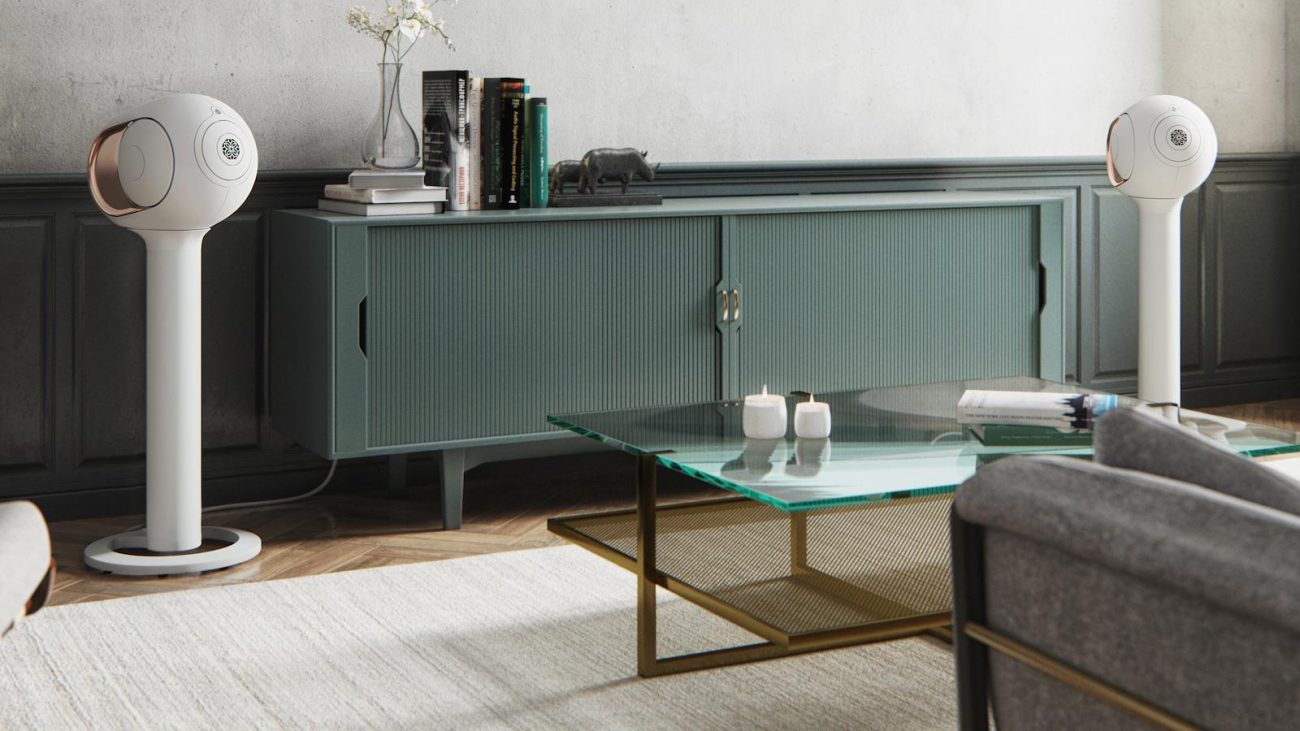
Luxury audio buyers are not always chasing the newest box on the shelf. Sometimes they are waiting for the one product that still feels strange, bold, and hard to replace. The Phantom I Speaker fits that mood because it sits between hi-fi gear, sculptural design, and smart home sound without behaving like a normal bookshelf unit. For U.S. shoppers watching premium audio drops, this restock buzz matters because stock can move fast when a product carries both status and real room-filling power.
That is why this moment has pulled attention from collectors, apartment owners, design fans, and people upgrading one serious listening room instead of building a rack of separates. A luxury wireless speaker has to do more than look rich. It has to work on a weeknight, impress guests on Saturday, and still make sense after the first wow moment fades. For readers tracking premium consumer tech updates, the better question is not whether the Phantom looks dramatic. It is whether its return makes sense for the way Americans listen now.
Why the Phantom I Speaker Became a Luxury Audio Shortcut
The usual path to better sound asks for patience. You pick speakers, match an amp, hide cables, choose a streamer, and then wonder why the left channel sounds stronger near the sofa. That process can be fun for hobbyists, but it feels like homework for someone who wants serious sound in a clean living room. Devialet cut through that mess with a compact, powered design that looks more like a gallery object than a traditional component.
That shortcut is the core appeal. You get a high-end audio system feeling without filling a media cabinet with gear. The trade-off is control. A separate amp-and-speaker setup gives you more ways to tweak the chain. The Phantom gives you a finished point of view.
Luxury buyers want fewer boxes, not weaker sound
American homes have changed the way premium audio fits into daily life. Open-plan kitchens, city condos, and multi-use living rooms do not always welcome towers, racks, and cable runs. A luxury wireless speaker works because it respects the room before it demands attention from the room.
That sounds simple, but it is the hard part. Many premium products look good in a product photo and awkward beside a sofa. The Phantom’s oval body, side plates, and visible bass movement make it feel intentional. Put it on a low console in a Miami condo or a black pedestal in a Los Angeles listening corner, and it reads as design, not clutter.
The counterintuitive part is that its visual drama can make it easier to live with. A plain black speaker has to disappear. This one does not. It becomes the one loud object in the room, so everything else can stay calmer.
The specs matter because the shape raises suspicion
A compact speaker with a luxury price always faces the same doubt: is this design first and sound second? Devialet’s own specs help explain why buyers keep coming back. The 108 dB version lists 1100 Watts RMS and a 14Hz to 27kHz response, while the 103 dB version lists 500 Watts RMS and a 16Hz to 25kHz response.
Those numbers do not tell the whole story. No spec sheet can tell you how bass behaves in a glass-walled apartment or how vocals land across a sectional. But they do show why the Phantom sits outside normal Bluetooth speaker talk. This is not a patio speaker with a luxury shell. It is a powered audio object built to move serious air.
That matters in the U.S. market because many buyers want one strong anchor piece. They do not want a starter system they will replace next year. They want something that feels finished on day one.
What the Restock Means for U.S. Luxury Audio Shoppers
A restock does more than refill shelves. It resets urgency. People who watched the Phantom from a distance may start comparing finishes, stands, and stereo pair costs. Others may wonder whether they should buy the older Phantom line or move toward Devialet’s newer Phantom Ultimate models, which now sit in the same family conversation.
This is where the decision gets less glamorous and more practical. A Devialet Phantom restock can pull buyers in through emotion, but the better purchase comes from knowing the room, the source habits, and the pain points of the current setup.
Scarcity changes how people judge value
When an audio product becomes hard to find, buyers start treating availability as proof. That can be dangerous. Stock pressure can make a product feel more desirable than it is for your needs. A small New York apartment buyer may not need the same output as someone filling a large suburban great room in Texas.
The smarter move is to treat the Devialet Phantom restock as a window, not a command. Check the model, finish, warranty path, and return terms before the excitement takes over. If the unit is from an authorized seller, you have a cleaner path if setup trouble, shipping damage, or app issues appear.
There is a second layer here. The Phantom has an emotional pull because it is not neutral in personality. Some speakers win by vanishing. This one wins by creating a moment. That is perfect for some buyers and too theatrical for others.
The newer Phantom line makes the old demand more interesting
Devialet’s newer Phantom Ultimate 108 dB model is listed in the U.S. at $3,800, with updated streaming support such as AirPlay, Google Cast, Spotify Connect, TIDAL Connect, UPnP, Bluetooth 5.3, and Roon Ready status. TechRadar also reported the newer Phantom Ultimate launch with a 108 dB flagship and a 98 dB model, placing the line deeper into luxury audio territory.
That newer line does not erase the older demand. It may sharpen it. Some buyers prefer the known character of the Phantom I era. Others want the latest platform and app path. The choice depends on whether you value proven ownership stories or newer hardware support.
Here is the non-obvious part: the older model can feel more desirable after a successor appears. Luxury markets do this often. Watches, cameras, cars, and speakers all build their own memory. Once a design becomes tied to a specific era, some buyers want that exact version, not the replacement.
How to Decide If It Fits Your Room and Listening Style
The Phantom is easy to admire from across the internet. It is harder to judge inside your own space. Sound is physical. Your walls, floors, furniture, and listening distance all change the result. A high-end audio system that thrills in a showroom can feel too heavy in a small bedroom or too focused in a wide living area.
This is why buyers should start with use, not price. Ask where it will live, how loud you play music, and whether you care more about stereo imaging, bass weight, or simple daily control. The wrong room can make an expensive speaker feel like a mistake. The right room can make one piece feel enough.
Apartment listeners should think about bass before volume
Deep bass is exciting until it travels through a floor. In a U.S. apartment, the problem is not whether the Phantom can play loud. It can. The problem is whether your building can handle the low end without turning your downstairs neighbor into an enemy.
A concrete high-rise in Chicago may tolerate more bass than a wood-frame rental in Austin. A rug, heavier curtains, and a solid stand can help tame the room, but they will not change the laws of shared walls. This is where restraint becomes part of good taste.
The surprise is that premium speakers often sound better when not pushed. You buy power for ease, not constant volume. The Phantom can feel more expensive at moderate levels because it does not strain. That quiet confidence is what cheaper speakers fake with boosted bass.
Stereo pairing is tempting, but one unit may be enough
Two Phantoms can create a larger stage, and stereo is still the natural way to hear recorded music. Yet one unit may be the better first move for many homes. A single speaker on a proper stand can serve a kitchen-living area, bedroom suite, or media corner without forcing layout changes.
This is where wireless home audio setup ideas can help before you spend more. Placement decides more than most buyers expect. A speaker shoved into a corner can sound bloated. A speaker placed too low can lose presence. A speaker set near reflective glass can turn bright fast.
If you plan to add a second unit later, think ahead. Leave room for symmetry. Check outlet access. Decide whether the space can support a pair without looking like a showroom display. Good luxury rarely screams. It settles in.
Buying Smart During a Devialet Phantom Restock
The restock moment can feel like a race, but luxury purchases punish rushed thinking. You are not buying a cheap travel speaker. You are buying a centerpiece that may shape how your room looks and how your music feels for years. That calls for a slower kind of confidence.
Start with the source. The safest path is Devialet direct or an authorized retailer with clear warranty support. Then compare the full cost, not the sticker price alone. Stands, wall mounts, care plans, shipping, and stereo pairing can move the final number fast.
Check the version, finish, and support path
Small product differences matter at this price. A 103 dB model and a 108 dB model do not serve the same buyer. A gold-accent finish sends a different design signal than a darker or lighter version. Even the stand choice changes the whole room.
Before buying, open Devialet’s official Phantom I specification page and compare the details against the retailer listing. Look for power rating, finish, included remote, condition, and warranty wording. If any listing feels vague, step back.
The non-obvious risk is not fake luxury. It is mismatched expectation. A buyer may think they are getting the version seen in a video, then receive a different finish, region package, or accessory bundle. That disappointment is avoidable.
Match the purchase to your real listening habits
Some people buy premium audio for vinyl nights, but most use it for playlists, TV sound, podcasts, and the first song after work. Be honest about that. A luxury wireless speaker should make ordinary listening better, not only impress during a demo track.
Think through your sources. Do you use Apple Music through AirPlay? Spotify Connect? Roon? Optical from a TV? The closer the product fits your daily path, the more you will enjoy it. The more workarounds you need, the faster the shine fades.
A Devialet Phantom restock will tempt buyers who want the object as much as the sound. There is nothing wrong with that. Design is part of ownership. The key is making sure the beauty serves the room, the music, and your routine at the same time. For deeper planning, save a spot for premium living room audio setups in your internal link plan.
Conclusion
The best luxury audio purchase is not always the newest model or the loudest spec. It is the one that solves a real problem in your home without creating three new ones. Devialet’s Phantom line keeps earning attention because it makes high-end listening feel less like a project and more like a finished decision.
The Phantom I Speaker makes the most sense for buyers who want strong sound, sculptural design, and fewer visible components in one serious piece. It is less ideal for someone who enjoys swapping amps, tuning cables, or rebuilding a system every season. That distinction matters.
A restock should create opportunity, not panic. Check the seller, match the model to your room, and think about how you listen on a normal Tuesday night. Buy it because it fits your life, not because the internet says it is scarce. Choose the piece that makes you play more music.
Frequently Asked Questions
Is Devialet Phantom worth it for a small apartment?
Yes, if you control bass and placement carefully. It can sound rich at moderate volume, which helps in shared buildings. The mistake is buying it for maximum loudness. In an apartment, its value comes from clean power, design, and low-volume depth.
What is the difference between Phantom 103 dB and 108 dB?
The 108 dB version is more powerful and reaches deeper on Devialet’s listed specs. The 103 dB model still suits many rooms, especially apartments and smaller lounges. Choose based on space size, bass tolerance, budget, and how much output you will use.
Should I buy one Devialet Phantom or a stereo pair?
Start with one if your room is small, open, or layout-limited. Buy a stereo pair if you care about imaging and have space for balanced placement. Two units can sound bigger, but poor placement can waste the extra spend.
Is a luxury wireless speaker better than traditional hi-fi speakers?
It is better for people who want fewer boxes, easier control, and cleaner room design. Traditional hi-fi speakers are better for buyers who enjoy upgrades and tuning. The right choice depends on whether you value simplicity or long-term system building.
What should I check before buying during a restock?
Check seller authorization, warranty, model version, finish, included accessories, return terms, and shipping protection. Also compare the listing against Devialet’s official specs. At this price, vague product pages are a warning sign.
Does Devialet Phantom work well for TV sound?
It can work for TV sound if your setup supports the right connection path, such as optical on compatible models. Still, buyers should check latency, control flow, and placement. A dedicated soundbar may fit better for dialogue-heavy TV use.
Why do luxury audio fans still talk about Phantom I?
It has a rare mix of visual identity, compact power, and strong brand memory. Many speakers sound good, but fewer become recognizable objects. That design pull keeps interest alive even as newer models enter the market.
Is the Devialet Phantom restock a good time to buy?
It can be a good time if the model, seller, and warranty all line up. Do not buy from urgency alone. A restock helps availability, but the best purchase still depends on your room, listening habits, and comfort with the total cost.
