

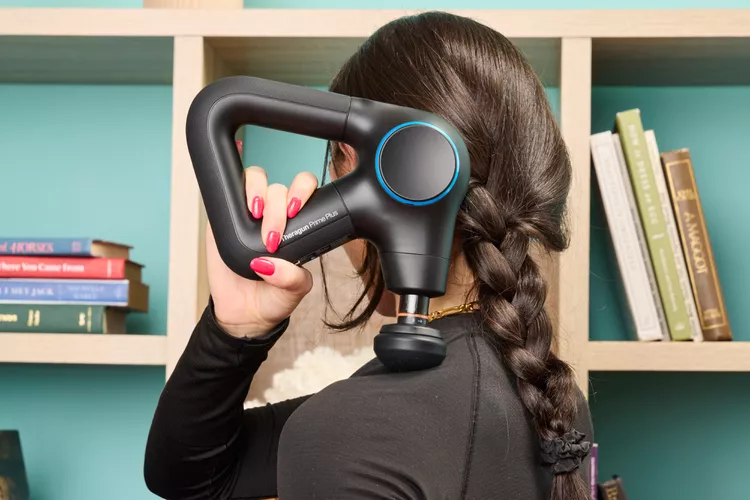
A flash sale can make a recovery gadget look better than it is. That is why the Renpho Massage Gun deserves a closer look before you treat the discount as an automatic buy. For many U.S. shoppers, the real question is simple: does this pro-level percussion massager solve a daily problem, or does it become one more device living in a drawer by Labor Day? The answer depends on how you work, train, drive, sit, and recover.
The lower price helps, no doubt. A good deal gives you room to test home recovery without paying luxury-device money. Still, a sale should not blur the basics. You want strong pressure, easy controls, useful heads, sane noise, and enough battery life to handle legs, back, shoulders, and forearms without turning recovery into a chore. That is the angle worth taking, and it is the same reader-first mindset behind smart shopping coverage that looks past the bright discount sticker.
Why the Renpho Massage Gun Price Drop Matters for Everyday Recovery
A lower ticket price changes the decision because recovery gear sits in an odd place. It feels medical, but most buyers use it like a home comfort tool. They reach for it after yard work, a long commute, a gym session, or six hours hunched over a laptop. When a device drops into a friendlier price band, it starts competing with foam rollers, heating pads, and one-off massage appointments instead of premium tech.
That shift matters for families, too. A parent who runs on Saturdays, a warehouse worker with tired calves, and a teen athlete with tight quads may all use the same tool in different ways. The tension is not whether the discount looks nice. The tension is whether one device can earn its spot in a busy house. A good sale gives you a better entry point, but it does not remove the need for judgment.
The sale changes the value math, not the device
A price cut can make a buyer feel as if they discovered a secret. That feeling fades fast if the product does not fit daily life. A deep tissue massage gun should feel easy enough to grab for two minutes, not precious enough to keep in its case. The best value often comes from boring habits: using it after a walk, after pickleball, after mowing the lawn, or before bed when your upper back feels locked.
Think about a nurse in Ohio coming home after a 12-hour shift. The device does not need to feel fancy. It needs to reach calves, feet, and shoulders without a wrestling match. That is where a budget-friendly sale can win. If the tool lowers friction, it gets used. If it looks powerful but feels awkward, it loses.
The non-obvious part is that the discount can help you judge the product more fairly. At full price, shoppers expect magic. At a sale price, they ask a better question: does this make ordinary soreness easier to manage? That calmer question leads to better buying.
Budget recovery gear works when expectations stay honest
A percussion massager is not a physical therapist in a plastic shell. It will not fix poor sleep, weak mobility, bad shoes, or a training plan that asks too much from your legs. It can, however, help your body feel less stiff when you use it with care. That is enough for many homes.
This matters because the flash-sale crowd often includes people buying their first muscle recovery tool. They may not know whether pressure, angle, or time matters most. The honest answer: pressure matters less than control. If you mash the device into sore tissue because it feels productive, you may irritate the area. Light passes often do more good than hard pushing.
There is a quiet win here. A sale model can teach better recovery habits without a huge spend. You start noticing where tension builds. You learn that your hips may be the reason your lower back complains. You find out your forearms hate long phone sessions. That body awareness may be worth more than the gadget itself.
What Makes the Pro Model Worth Comparing Before Checkout
After the price catches your eye, the next step is less flashy: compare how the device fits your body and routine. Many shoppers look at speed settings first because numbers feel clear. That can mislead you. A massager with many settings is not automatically better than one with fewer, cleaner choices. The better question is whether the lowest setting feels controlled and whether the upper settings stay useful instead of harsh.
For U.S. buyers shopping online, this is where patience helps. Look at the return window. Check whether the heads match the areas you plan to treat. Read the negative reviews before the glowing ones. Someone with runner’s calves needs a different feel than someone easing desk-neck tension after Zoom calls. A sale rewards fast action, but your body rewards fit.
Power feels different when your shoulders are already tight
On paper, power sounds like the star. In use, comfort gets the final vote. A device can sound strong in a product listing and still feel too buzzy on traps, forearms, or tender calves. The best test is not the hardest setting. It is whether you can keep the head moving without clenching against the pressure.
Picture a home gym in Texas after a summer workout. Your quads feel heavy, your lower back feels tight, and you want relief before dinner. A device with steady pressure and manageable weight can help. One that jumps across the skin or forces your wrist into a poor angle becomes another problem. Ergonomics matter more once sweat, fatigue, and soreness enter the room.
The counterintuitive lesson: many people need less power than they think. They need steadier contact, better placement, and shorter sessions. A deep tissue massage gun can feel more useful on a medium setting than on its loudest mode because your nervous system stops guarding against it.
Attachments matter more than speed numbers
Massage heads look like extras until you use the wrong one. A ball head can feel fine on large muscles. A flat head may work better when you want broad contact. A bullet-style head can feel too sharp for casual use, even though it looks serious in photos. The attachment shapes decide how pressure spreads across tissue.
That is why a sale bundle can be more useful than a bare device. A carry case, several heads, and simple charging can make the tool easier to share across a household. Still, more accessories do not always mean more value. Six heads that sit unused add clutter. Three heads you know how to use can serve you better.
For shoppers comparing best home recovery tools, the winning setup is the one you can explain to yourself in ten seconds. Large muscle? Use broad contact. Small tight spot? Use lighter pressure and a smaller head. Sensitive area? Back off. That simple logic beats a drawer full of parts.
How to Use a Percussion Massager Without Making Soreness Worse
Buying during a flash sale is the easy part. Using the tool well takes more care. The safest pattern starts small. Glide over muscle, do not drill into pain. Keep the device moving. Treat soreness as feedback, not a dare. The goal is to help tissue relax, not prove how much pressure you can handle.
The guidance from University of Utah Health lines up with that practical approach: massage guns suit sore muscles after workouts, and users should avoid using them on bones, joints, fresh injuries, or sensitive areas. That is plain advice, but many buyers ignore it because vibration feels harmless. It is not harmless when you use it in the wrong place.
Start with short passes, then listen for feedback
Begin with 30 to 60 seconds on one area. Sweep slowly across the muscle. If the tissue softens and your range of motion feels easier, stop there. More time does not always mean more relief. Sometimes more time means irritation that shows up the next morning.
A runner in Colorado might use the device on calves after hill repeats. A desk worker in New Jersey might use it on the upper back after a long spreadsheet day. Both should follow the same rule: stay on muscle, keep pressure moderate, and avoid chasing pain. You want a warm, loose feeling, not a bruised one.
This is where the muscle recovery tool mindset beats the gadget mindset. You are not trying to max out a machine. You are trying to support a body that already did work. That shift changes everything. It makes shorter sessions feel useful instead of incomplete.
Where a deep tissue massage gun does not belong
Some areas deserve a hard no. Do not use the device on the front of the neck, over the spine, on joints, near the head, over bruises, or on numb skin. Avoid fresh strains, swelling, and sharp pain. If pain feels strange, spreads, or keeps returning, a professional should look at it.
This warning does not make the tool scary. It makes the tool clearer. A kitchen knife is useful because you know where the blade belongs. A massage gun works the same way. Use it on meaty areas like quads, hamstrings, glutes, calves, and parts of the upper back. Skip the places where nerves, arteries, bones, and joints sit close to the surface.
The non-obvious truth is that gentler use often feels more premium. A percussion massager used with restraint can feel calm and controlled. Used like a punishment device, it feels cheap no matter how much it costs.
Who Should Buy During the Flash Sale and Who Should Wait
The right buyer is not always the most athletic one. Plenty of people who never set foot in a gym still deal with tight muscles. Long drives, retail shifts, nursing work, warehouse work, parenting, gardening, and home repairs can all create the kind of soreness that responds to light percussion. That makes the sale broader than a fitness deal.
Still, not every discount deserves your card. The best buyer has a clear use case before checkout. “My calves feel tight after walking the dog” is clear. “I want to own something wellness-related” is not. A flash sale can pressure you to act fast, but a few honest questions can save you from regret.
Best fit: active homes, desk workers, and weekend athletes
This model makes sense for households where several people will use it. A weekend tennis player may want it for forearms and quads. A remote worker may want it for shoulder stiffness. A parent may use it after hauling groceries, folding laundry, and cleaning the garage. Shared use makes the sale price feel more practical.
Desk workers may benefit more than they expect. The body does not care whether tightness came from a barbell or a laptop. If your shoulders creep upward all day, a few careful passes over the upper back can remind those muscles to let go. Pair that with standing breaks and light stretching, and the device becomes part of a habit instead of a rescue mission.
The smart move is to treat it like smart fitness gear worth buying: buy when the tool fits a pattern you already have. If you stretch, walk, train, or work physical shifts, a massage device can slide into that rhythm. If you hate routines, even the best sale may sit untouched.
Skip the deal if your pain needs a different answer
Some pain does not belong in a shopping cart. Tingling, numbness, swelling, pain after a fall, sharp joint pain, or symptoms that wake you at night need care, not a discount code. A massage device may hide the signal for a while. That delay can cost more than the sale saves.
You should also wait if you only want the device because the price feels rare. Scarcity can make normal products seem urgent. Retailers know this. A countdown timer can make your brain move faster than your judgment. Walk away for ten minutes and ask what problem the tool will solve on Tuesday night, not what deal you might miss today.
Here is the less obvious buying rule: the best flash-sale purchase often feels calm. You know where it fits. You know who will use it. You know when it comes out of the case. If you cannot answer those three points, the lower price is doing too much of the talking.
Conclusion
A flash sale can be useful when it lowers the barrier to a tool you already need. It becomes noise when it turns a vague wellness wish into a rushed purchase. The better path is plain: match the device to your routine, use it on the right muscles, keep sessions short, and avoid treating pain like a challenge.
A Renpho Massage Gun makes the most sense for shoppers who want affordable home recovery without pretending it replaces medical care or smart training. The deal adds value only when the product solves a repeat problem in your week. Tight calves after walks. Stiff shoulders after work. Heavy legs after weekend sports. Those are real use cases.
Buy it because you see the job it will do, not because the timer says hurry. That kind of decision holds up after the sale banner disappears.
Frequently Asked Questions
Is the Renpho Pro model worth buying during a flash sale?
Yes, it can be worth buying if you already deal with sore muscles after workouts, work shifts, driving, or desk time. The lower price helps most when the device fits a routine you already have rather than a new habit you hope to start.
How should beginners use a massage gun safely?
Start with light pressure and short passes over large muscles. Keep the head moving and stop if pain turns sharp, strange, or intense. Avoid bones, joints, the front of the neck, fresh injuries, swelling, bruises, and areas with reduced feeling.
What is the best area to use a percussion device on first?
Large muscle groups are the safest starting point for most people. Try calves, quads, hamstrings, glutes, or the upper back. These areas give you room to move the device slowly while learning how your body reacts to pressure and vibration.
Can a massage device help after sitting at a desk all day?
It may help ease tight shoulders, upper back tension, and stiff hips when used with care. For better results, pair it with standing breaks, walking, and simple stretches. The device should support movement, not replace it.
How long should each massage session last?
Most people should begin with 30 to 60 seconds per muscle area. Longer sessions are not always better. If the muscle feels warmer and looser, stop there. Overdoing it can leave tissue irritated, especially when you are new to percussion therapy.
Is a deep tissue massage gun good for runners?
It can help runners manage calf, quad, hamstring, and glute tightness after training. Use moderate pressure after workouts, not on sharp pain or fresh injury. Runners should still treat sleep, hydration, strength work, and shoe fit as part of recovery.
What attachments matter most for home use?
A round head and flat head usually handle most casual home needs. The round head works well on larger muscles, while the flat head spreads pressure across broader areas. Smaller pointed heads require more care and may feel too intense for beginners.
When should someone avoid using this kind of device?
Avoid it when pain includes numbness, tingling, swelling, sharp joint pain, fever, unexplained bruising, or symptoms after an accident. People with medical conditions, circulation concerns, or recent surgery should ask a clinician before using percussive therapy at home.
