

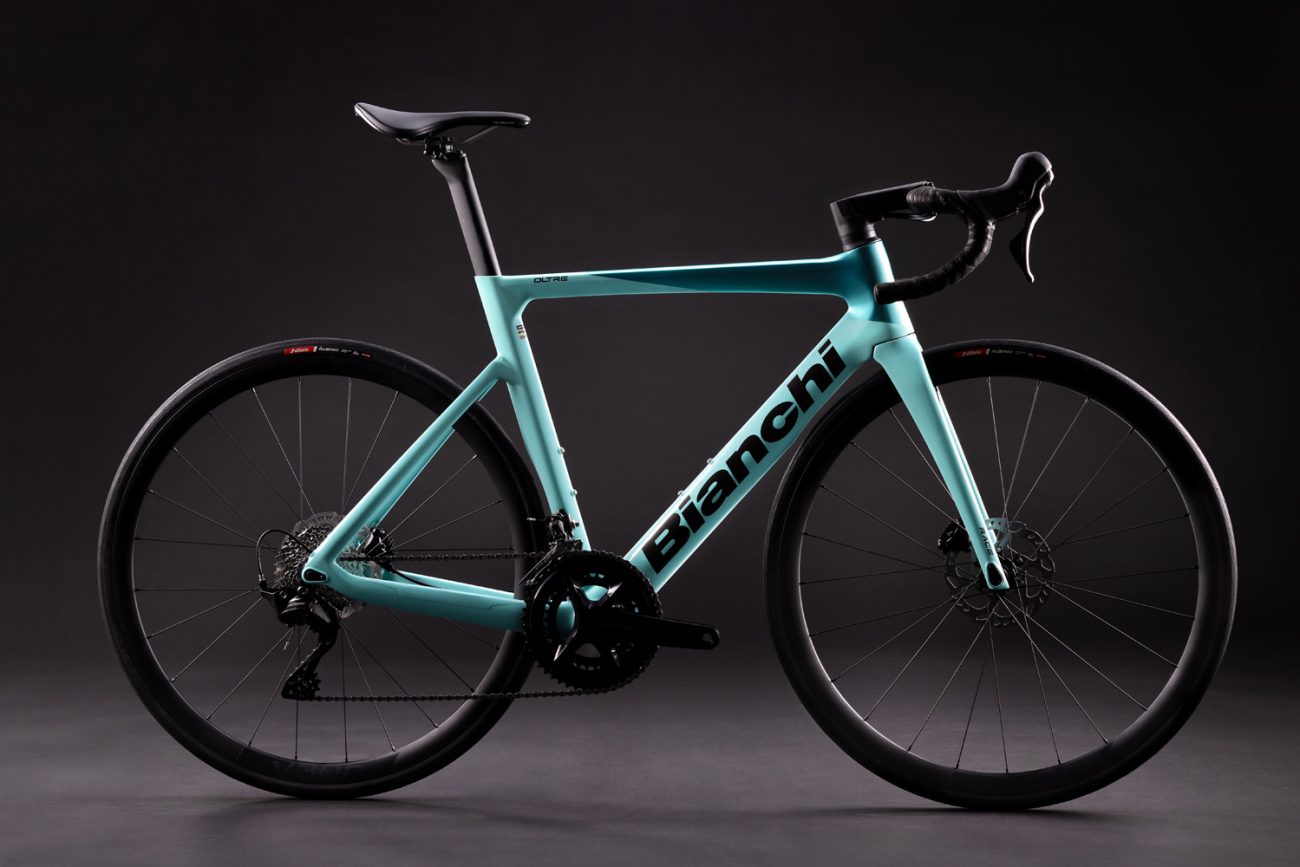
A race win does not sell a bike by itself, but it can make undecided buyers move fast. That is what makes the Bianchi Oltre RC Road Bike feel bigger than another high-end cycling story. For U.S. riders watching pro racing, the appeal is plain: this is an aero machine with old Italian blood, modern speed cues, and the kind of finish that turns a coffee-stop parking lot into a small showroom. Shoppers are not only asking whether it is fast. They want to know whether the price, fit, ride feel, and stock pressure make sense before their size disappears. For readers tracking gear trends, retail movement, and premium cycling demand, performance product coverage helps explain why some bikes catch fire after one public moment. The Oltre RC sits in that rare zone where race culture, brand memory, and buyer anxiety meet. It is not the safest purchase. It is not the cheapest. That is the point. The bike sells because it makes a promise many riders still want to believe: speed should feel emotional, not sterile.
Why the Bianchi Oltre RC Road Bike Became a Post-Race Obsession
When a pro-level bike pops after a race result, the first reaction is often too simple. People assume fans saw a winner, opened a browser, and bought the same frame. Real buying behavior is messier. The result gives the bike permission to matter, but the buyer was usually already circling it. A victory turns hesitation into urgency.
Race wins make expensive bikes feel less risky
A premium aero frame has a strange burden. It must look fast before it ever proves anything under you. That matters because most U.S. buyers will never race at WorldTour speed, yet they still want a bike that feels tied to that level of pressure. A professional cycling bike earns trust when it survives bad roads, crosswinds, hard accelerations, team tactics, and the cold math of race day.
That does not mean a race win proves the bike is perfect for every rider. It proves something narrower and more useful. It shows the platform belongs in the fight. For a buyer staring at a five-figure build, that is enough to soften the doubt.
Here is the less obvious part: a win can matter more to non-racers than racers. The elite amateur already studies geometry charts, tire clearance, bar width, and power transfer. The enthusiast with money but less time needs a stronger signal. A visible result gives that signal without asking them to become an engineer overnight.
Scarcity hits harder when the bike has heritage
Bianchi carries a weight most brands cannot fake. The Celeste color, the Italian origin story, and the long racing memory all shape how buyers see the Oltre RC. You are not shopping for a plain carbon race bike. You are buying into a symbol that has lived through steel frames, aluminum eras, carbon upgrades, rim brakes, disc brakes, and modern aero shaping.
That history creates friction too. Some riders love the romance. Others worry the brand image may be doing too much of the selling. Both reactions are fair. A buyer in Colorado, Florida, or Northern California may care less about museum-grade cycling history and more about whether the frame feels stable on fast descents and rough local pavement.
Still, scarcity changes the emotional math. When common sizes like 53, 55, or 57 appear limited, people stop treating the bike like a future option. They treat it like a window. That is why post-race demand can feel sudden even when interest has been building for months. A bike does not have to sell out nationwide to trigger panic. It only has to vanish in the size and color someone wanted.
What Riders Are Actually Buying Beyond the Badge
The hype around an aero bike can make every discussion sound shallow. Deep wheels. Hidden cables. Fast shape. Big price. Done. But that misses what matters on the road. A serious buyer wants to know how the bike behaves when the ride stops being a product photo and starts being four hours of heat, traffic, chip seal, wind, and tired legs.
The aero shape changes the ride personality
An aero road bike usually asks for a trade. It gives speed at higher pace, but it may feel less relaxed than a lighter climbing frame. The Oltre RC leans into that bargain. It is made for riders who like pressure on the pedals, clean lines at the front end, and the feeling that the bike wants speed before comfort.
That can feel addictive on open roads. Think of a Saturday group ride outside Austin or Scottsdale, where the pace sits high and everyone can hear deep wheels humming before the sprint sign. A stiff aero bike rewards the rider who keeps force on the chain. Sit up, soft-pedal, and the magic fades. Push through a rolling section, and it starts to make sense.
The counterintuitive truth is that the frame may feel better to committed enthusiasts than casual luxury buyers. A rider who wants a soft, upright, forgiving Sunday cruiser may not enjoy the posture or response. A rider who likes fast club rides, fondos, and hard solo efforts will understand why the bike exists.
Components matter less than fit at this price
High-end builds can make people stare at groupsets and wheel specs first. That is natural. Electronic shifting, carbon wheels, and premium finishing kit all feel like proof that money went somewhere. Yet fit matters more than any part bolted to the frame. A bike that looks perfect but puts your shoulders in a fight after 40 miles becomes expensive wall art.
This is where U.S. buyers should slow down. The Oltre RC is not a casual online cart purchase unless you already know your fit numbers. Stack, reach, bar width, saddle setback, crank length, and spacer height all matter. Small changes can decide whether the bike feels sharp or hostile.
A good shop fit can also protect the purchase from regret. That may sound boring next to race glory, but it is where the smart money goes. Spend less emotion on whether a pro won on a similar frame and more attention on whether your lower back can live with the position. That is the grown-up test.
For readers comparing this bike with other fast road machines, a related guide on premium aero bike buying factors can help separate frame desire from fit reality.
How U.S. Buyers Should Read the Sellout Signal
A sellout headline can push people into bad decisions. Some stock pressure is real. Some of it comes from limited distribution, small batch ordering, or a narrow supply of certain sizes. The buyer’s job is to tell the difference between a rare chance and a rushed mistake. That takes patience, even when the bike feels like it may vanish.
Size availability is the real story
When shoppers say a bike is selling out, they often mean one thing: their size is hard to find. A 47 or 59 sitting somewhere in stock does not help a rider who needs a 55. That detail matters more in the U.S., where dealers may carry fewer high-end European race bikes than large-volume models from Trek, Specialized, Giant, or Canyon.
A carbon race bike at this level also faces slower restock cycles. Dealers do not always want to sit on costly inventory. Brands may push limited colors or builds. Buyers may chase the same sizes. That makes the market feel tighter than the total number of bikes suggests.
The smart move is to call real shops, not only check product pages. Ask whether the bike is in hand, allocated, or orderable. Ask whether the quoted date is firm or hopeful. Ask if the build comes with the bar width, crank length, and wheel spec shown online. Those details can change the value fast.
The best deal may not be the lowest sticker price
A post-victory rush can make buyers hunt for the cheapest listing. That is understandable, but it can backfire. On a bike this expensive, the best purchase may be the dealer who includes fitting help, build checks, warranty support, and honest guidance on size. A slightly lower price from a distant shop can lose its charm when the cockpit needs changes.
There is also the issue of service. Fully integrated front ends look clean, but they can make maintenance harder. Hydraulic hoses and internal routing are not scary for a good mechanic, yet they are not as simple as an old round-bar setup. Buyers who travel with bikes or swap fits often should think about that before chasing beauty.
The non-obvious insight is that a premium bike can be a worse value when bought from the wrong place. Support is part of the product. With an aero machine, the shop relationship may be worth more than a small discount.
For riders still narrowing the field, a comparison of high-end carbon road bike alternatives can help place the Oltre RC against lighter climbing bikes and endurance-focused frames.
Is This Hype or a Smart Buy?
The answer depends on what you want the bike to do. Some riders want the fastest-looking object in the group. Some want a frame connected to pro racing. Some want a daily machine that feels special every time the garage door opens. The Oltre RC can serve those riders, but it will punish a lazy buying process.
The right rider will feel the value quickly
Aero bikes make the most sense when the rider uses the speed they were built to hold. Fast solo rides, flat-to-rolling race courses, aggressive fondos, and serious group rides all suit the Oltre RC better than stop-start path cruising. The bike wants room. It wants pace.
That does not mean you need a race license. Many American riders never pin a number but still ride hard enough to notice a professional cycling bike. A strong weekend rider in Southern California, North Carolina, or New Jersey may get more joy from this machine than a nervous first-time racer who bought it for status.
There is a human side too. Some bikes make you train because you want to deserve them. That sounds sentimental, but cyclists know the feeling. A beautiful bike near the door can pull you outside on a gray morning. Speed begins before the first pedal stroke.
The wrong buyer is paying for someone else’s dream
The Oltre RC is less convincing for riders who value comfort above pace, carry extra gear, ride broken pavement daily, or dislike aggressive positions. Those riders may be happier on an endurance frame with wider tire clearance and calmer geometry. There is no shame in that. The wrong bike becomes a lecture every ride.
One concrete test helps: think about your last ten rides. Not the rides you imagine doing after buying the bike. The rides you actually did. If most were short, casual, upright, and social, the Oltre RC may be more fantasy than tool. If most included sustained speed, hard pulls, and a hunger for performance, the case gets stronger.
The hype is not empty. It is also not enough. The bike deserves attention because it combines race identity, aero purpose, and Bianchi character. Your job is to decide whether that combination matches your roads, body, budget, and habits.
For equipment rules and the wider racing context behind modern bike design, the Union Cycliste Internationale regulations remain the clearest official reference point.
Conclusion
Race moments can distort the market, but they can also reveal what riders already wanted. The Oltre RC did not become desirable because of one result alone. It had the ingredients before the spotlight arrived: a famous name, a sharp aero shape, a serious race posture, and enough rarity to make buyers act. That is why the Bianchi Oltre RC Road Bike has become such a loud topic among U.S. road cyclists watching premium stock. Still, the smartest rider treats desire as the beginning, not the decision. Check the size. Test the fit. Talk to a dealer who knows integrated race bikes. Be honest about your roads and your body. If the machine matches your riding, buy with confidence. If it only matches your imagination, pause before the hype spends your money. The best bike is not the one that wins on screen. It is the one that makes you ride harder next Saturday.
Frequently Asked Questions
How much does the Oltre RC usually cost in the United States?
Pricing can vary by build, dealer, model year, and availability. Expect it to sit in the premium road category rather than the mid-range market. The final price may also change with wheels, groupset choice, fit parts, taxes, and dealer service packages.
Is the Oltre RC good for everyday road riding?
It can work for daily riding if you enjoy a fast, firm, race-focused setup. Riders who want a relaxed position, wide tires, or comfort-first handling may prefer an endurance road bike. The frame makes more sense for pace than casual cruising.
Why do pro race wins affect bike demand?
Race wins give shoppers confidence. They make a bike feel proven under pressure, even if the consumer version differs in setup. For many riders, that public proof reduces hesitation and makes limited stock feel more urgent.
What size Oltre RC should I buy?
Use a professional fit or compare your current bike’s stack, reach, saddle height, and cockpit setup. Do not choose size from height alone. Race bikes can feel unforgiving when the frame size or bar position is wrong.
Is an aero road bike faster than a lightweight climbing bike?
On flat roads, rolling terrain, and fast group rides, aero shaping can matter more than small weight savings. On steep climbs, a lighter bike may feel better. The right choice depends on your usual speed, route profile, and riding style.
Should I buy online or from a local bike shop?
A local shop often makes more sense for a premium integrated road bike. Fit help, warranty guidance, build quality, and future service can be worth paying for. Online buying works better when you already know your exact measurements.
What makes the Oltre RC different from cheaper Oltre models?
The RC version sits at the top of the family, with a more race-focused frame concept and higher-end build options. Lower models may share visual cues, but they usually use different specifications to reach a lower price point.
Is the Oltre RC worth buying during a stock rush?
It is worth considering only if the size, fit, dealer support, and riding purpose line up. Scarcity should not replace judgment. A fast purchase can feel exciting, but a poor fit will outlast the thrill of finding one in stock.
